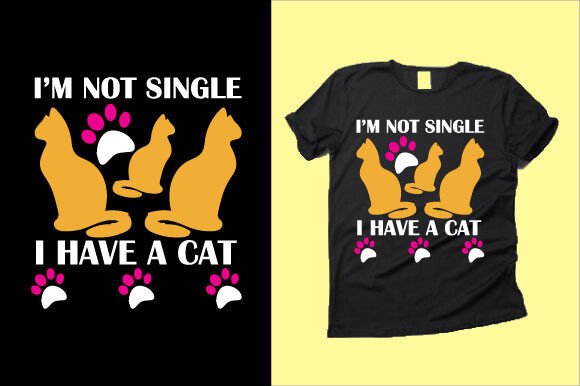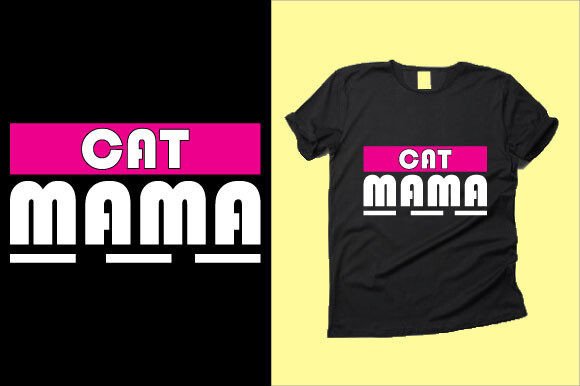
Reviewing Cat T-shirt Design 72 for Real Embroidery Work
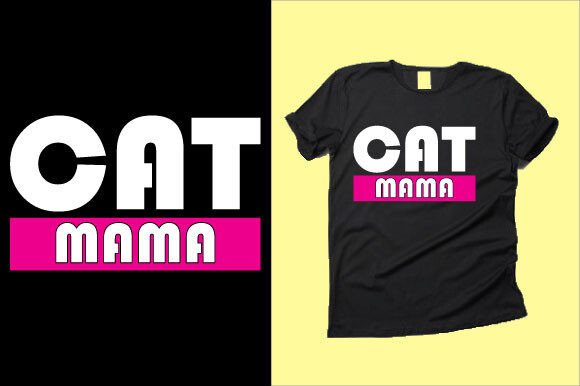
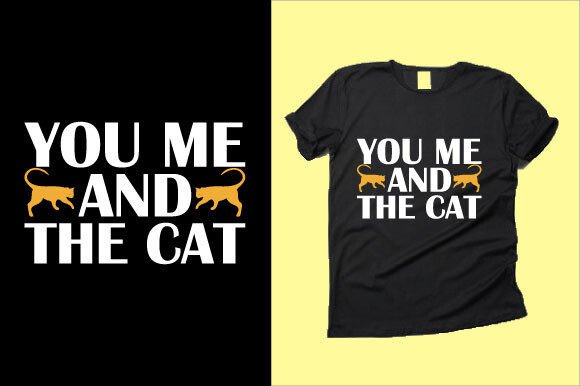
When I first opened the file for Cat T-shirt Design 72, my immediate reaction wasn't about the marketing copy or the category tags. It was about the visual personality of the piece itself. As a designer who spends hours evaluating files for client projects, I look past the title to see how the design breathes. This particular graphic carries a playful yet refined energy that feels perfectly suited for modern handmade goods. It doesn't scream for attention with chaotic elements; instead, it invites the viewer in with a clean, approachable aesthetic that suggests a high-quality finished product.
The layout is balanced in a way that respects the limitations of embroidery. Unlike vector graphics that can be scaled infinitely without consequence, an embroidery file has physical constraints. Cat T-shirt Design 72 appears to have been constructed with stitch density and thread coverage in mind. The shapes are distinct enough to hold their form on various fabrics, which is a critical factor when moving from a digital preview to a tangible item. For those of us running small shops or Etsy listings, this distinction is everything. A design that looks great on a screen but collapses into a mushy blob once stitched is a liability. This one feels robust.
Bringing the Design to Life: A Real-World Scenario
Let's imagine a specific project to test the practical value of this asset. I am preparing a custom order for a boutique client who specializes in organic baby clothing. They need a soft, adorable motif for a new line of onesies and burp cloths. The client wants something that feels personal but not overly busy. This is where Cat T-shirt Design 72 shines.
I envision stitching this onto a heather grey cotton jersey using a soft pastel thread palette. The design's simplicity allows it to sit comfortably on a small chest area of a baby garment without overwhelming the wearer. In this scenario, the design isn't just a decoration; it becomes a focal point that elevates the perceived value of the entire outfit. When a customer sees a well-executed cat motif on a high-quality onesie, they associate that craftsmanship with the brand's reliability. That emotional connection is what drives repeat business for craft entrepreneurs.
Furthermore, this design would translate beautifully to other items in a gift set. Imagine pairing a matching embroidered tote bag with the onesie, using the same machine embroidery design to create a cohesive collection. The versatility here is significant. Whether it ends up on a kitchen towel for a housewarming gift or a patch on a denim jacket for a teenager, the core appeal remains consistent. It bridges the gap between a simple hobbyist project and a professional commercial asset.
Performance Across Different Fabrics and Products
In my experience, the true test of any Graphics package is how it handles different materials. Cat T-shirt Design 72 seems engineered to perform well on standard woven fabrics like cotton and linen, which are staples for aprons, pillow covers, and tea towels. The stitch structure likely accommodates the natural texture of these fibers, ensuring the threads lay flat rather than piling up unevenly.
However, we must be realistic about where this design fits best. If you are working with stretchy knit fabrics like those used for t-shirts or sweatshirts, the stability of the design becomes paramount. While the file might be adaptable, the success of the final result often depends more on the stabilizer choice and the hoop tension than the design itself. For a sweatshirt embroidery project, I would recommend using a cut-away stabilizer to prevent puckering over time, especially if the garment will undergo frequent washing.
The design also holds promise for embroidered patches. If you plan to add a backing to create a detachable badge, the defined edges of Cat T-shirt Design 72 should provide a clean perimeter for trimming. This makes it an excellent candidate for adding a unique touch to backpacks, hats, or even laptop sleeves. The ability to transition from a direct-to-garment application to a separate accessory adds layers of utility for designers looking to expand their product lines.
Navigating Potential Challenges and Technical Considerations
No design is without its caveats, and as a reviewer, it is my duty to highlight where caution is needed. One area to scrutinize is the level of detail within the smaller corners of the image. If the design includes tiny lettering or intricate whiskers, there is a risk that these elements could get lost on a small hoop size or on textured fabrics like fleece. When working with small shop products like caps or fitted hats, curved surfaces can distort fine details. I advise testing the design on a scrap piece of the actual fabric before committing to a customer's order.
Thread color contrast is another vital consideration. On dark fabrics, the background fill stitches might not cover sufficiently, requiring additional underlay passes or a different thread weight. Conversely, on light fabrics, certain colors might appear too subtle. To ensure the finished product meets professional standards, I strongly suggest creating a black-and-white mockup first. This helps visualize how the stitch density translates to grayscale, ensuring that the design retains its shape regardless of the thread colors chosen.
For those selling digital embroidery files or using them for commercial purposes, licensing terms are non-negotiable. The product description mentions a long experience in creating custom merch, but it does not explicitly state the usage rights. Before incorporating Cat T-shirt Design 72 into a mass-produced line or a subscription box service, you must verify whether the license allows for commercial resale of the finished items. Ambiguity here can lead to legal issues down the road.
Practical Tips for the Modern Maker
To get the most out of this asset, I recommend a few specific steps during your production process. First, always review the stitch density settings in your digitizing software. If the design feels too dense for the intended fabric, consider reducing the stitch count slightly to prevent bulkiness. Second, inspect the small details closely. Sometimes, a single stray stitch can ruin the illusion of quality in a personalized gift.
Finally, don't underestimate the power of presentation. When you photograph the final item for your Etsy seller listing or social media, the lighting should highlight the texture of the thread. A well-stitched Cat T-shirt Design 72 should catch the light in a way that shows depth and dimension. This visual cue reassures buyers that they are purchasing a handmade product made with care, not a cheap print.
In conclusion, Cat T-shirt Design 72 offers a solid foundation for a variety of creative endeavors. It balances charm with technical feasibility, making it a reliable choice for both hobbyists and serious entrepreneurs. By paying attention to fabric selection, stabilization techniques, and licensing details, you can transform this digital asset into a cherished physical object that brings joy to its recipient. Whether you are building a boutique brand or crafting a special holiday gift, this design provides the visual anchor needed to elevate your work.