Cat T-shirt Design 57: A Designer's Real-World Review
I have spent years reviewing embroidery files for clients ranging from boutique owners to hobbyists, and I have learned that the difference between a good design and a great finished product often lies in the details. Today, I am putting Cat T-shirt Design 57 under the microscope. This is not just another digital asset; it is a potential centerpiece for your next handmade project, custom apparel line, or personalized gift. As an experienced designer, I want to walk you through exactly how this piece behaves when it moves from the screen to the fabric.
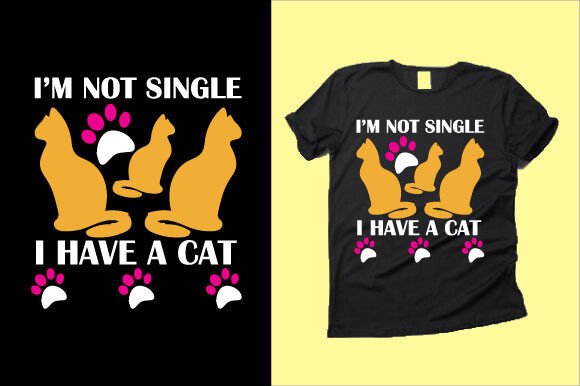
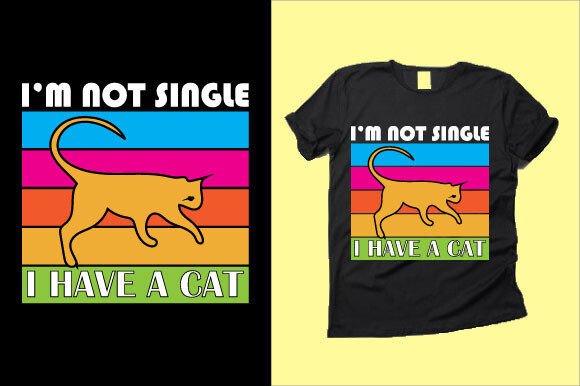
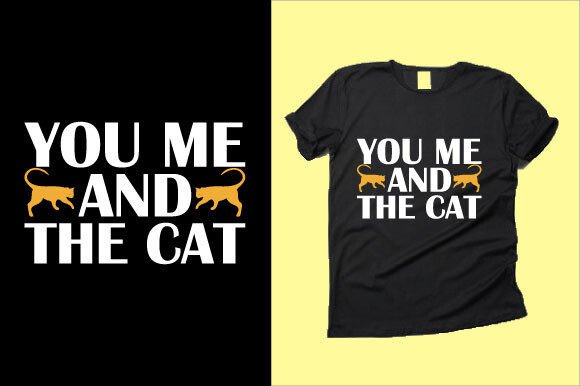
When you first open the file, the immediate impression of Cat T-shirt Design 57 is one of playful charm balanced with structural integrity. It does not scream for attention with chaotic elements but rather invites the viewer in with a clear, recognizable silhouette. The mood is lighthearted yet professional, making it versatile enough for a nursery wall hanging or a trendy streetwear sweatshirt. The layout feels intentional, avoiding the clutter that often plagues amateur designs. It creates a sense of confidence that suggests the designer understands both the visual language of cats and the technical constraints of machine embroidery.
Bringing the Design to Life: A Real Project Scenario
To truly understand the value of this file, let us imagine a real-world scenario. You are preparing a collection of handmade goods for an upcoming holiday craft fair. Your goal is to create a set of premium kitchen towels and matching tote bags featuring a cohesive theme. You decide to use Cat T-shirt Design 57 as the hero element on these items. The design needs to hold up on textured terry cloth without losing its definition, and it must look equally striking on the smooth canvas of a tote bag.
In this context, Cat T-shirt Design 57 performs admirably. The density of the stitches appears sufficient to cover the background fabric completely, which is crucial for dark-colored towels where gaps can ruin the aesthetic. When stitched onto a white apron, the contrast would be sharp, creating a clean, professional finish that elevates the perceived value of the item. For a small business owner, this level of clarity is essential because customers judge the quality of a handmade product by the precision of the stitching. A blurry outline or missing fill stitch can make even the best concept look cheap. Fortunately, the geometry of this design seems robust enough to withstand the rigors of commercial production.
Performance Across Different Embroidery Projects
The versatility of Cat T-shirt Design 57 extends far beyond simple t-shirts. While the title suggests apparel, the composition allows it to shine in various categories. For embroidery designers looking to expand their catalog, this file is a strong candidate for baby clothing lines. The soft, rounded edges of the cat motif translate well to infant wear, offering a gentle look that parents appreciate. However, when moving to sweatshirt embroidery, you must consider the thickness of the fabric. Heavier materials require a slightly larger hoop size and potentially different stabilizer choices to prevent puckering.
If you are an Etsy seller focusing on custom apparel, this design could serve as a base for personalized gifts. Imagine adding a name in a complementary font below the cat image on a pillow cover or a tea towel. The balance of the original design leaves enough negative space for text without feeling cramped. For those interested in creating an embroidered patch, the clean outlines of Cat T-shirt Design 57 provide a solid foundation. Just ensure that the satin stitch around the perimeter is tight enough to prevent fraying after multiple washes.
The design also fits seamlessly into holiday embroidery projects. Whether it is a Christmas stocking or a Valentine's Day gift, the character has a timeless appeal that transcends specific seasons. For commercial embroidery projects where volume matters, the efficiency of the stitch count (once verified) will be a key factor in profitability. If the design uses too many color changes or excessive jump stitches, it could slow down your production line. Based on the visual personality, it appears optimized for speed without sacrificing detail, which is a rare and valuable trait.
Where Caution is Required
Even the most promising designs have limitations, and knowing where to draw the line is part of being a responsible creator. Cat T-shirt Design 57 should be used carefully on very small hoop sizes. If you attempt to shrink this design down for a tiny cap logo, you risk losing critical details. The curves might become jagged, and fine lines could merge together, resulting in a muddy appearance. Similarly, working with thin or stretchy fabrics requires extra attention. Without proper stabilizer support, the tension of the stitches could distort the fabric, ruining the shape of the cat.
Dense stitch areas within the design might pose challenges on textured fabrics like corduroy or heavy denim. The needle may struggle to penetrate the material consistently, leading to skipped stitches or thread breaks. Additionally, if you plan to use this on dark fabric, the choice of thread colors becomes paramount. Light threads might get lost against a black background unless a high-density underlay is used. Always test the design on a scrap of the actual fabric you intend to use before committing to a final product. This step saves time, money, and frustration.
Practical Notes for the Professional Designer
Before you hit the start button on your machine, there are several technical checks you must perform. First, inspect the stitch density. Is the fill stitch too thick for the fabric weight? Is the satin stitch on the edges too wide, causing the fabric to pucker? These are questions only a hands-on review can answer. Second, verify the hoop size requirements. Ensure your machine setup matches the dimensions of the design to avoid clipping errors.
It is also wise to review the file in black and white mockups. Sometimes, color distracts from structural issues that become obvious when viewed in grayscale. Compare how the design looks on light versus dark backgrounds to ensure the contrast remains effective. If you are selling finished items, confirm the licensing terms regarding digital embroidery files. Does the purchase allow for commercial use? Are there restrictions on the number of units you can produce? Clarity here protects your craft business from legal complications.
Finally, think about the finished product lifecycle. Will the design withstand frequent washing? Will the threads fade? Using high-quality thread colors and appropriate stabilizers will maximize durability. For personalized gifts, the emotional connection the customer feels is often tied to the quality of the execution. A crisp, well-stitched Cat T-shirt Design 57 tells the recipient that care was taken, enhancing the brand consistency of your shop.
In conclusion, Cat T-shirt Design 57 offers a compelling blend of charm and technical feasibility. It stands out as a reliable asset for design assets seekers who need a versatile, high-quality image for their embroidery project list. Whether you are creating a single handmade product for a friend or building a robust inventory for your small shop product line, this design provides a solid foundation. By following practical testing protocols and respecting the physical limitations of your materials, you can transform this digital graphic into a tangible work of art that delights customers and strengthens your reputation as a skilled embroidery designer.