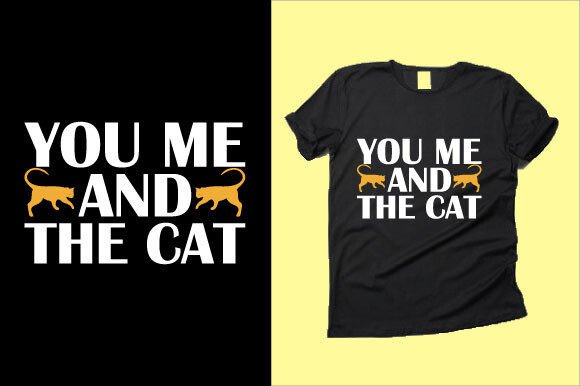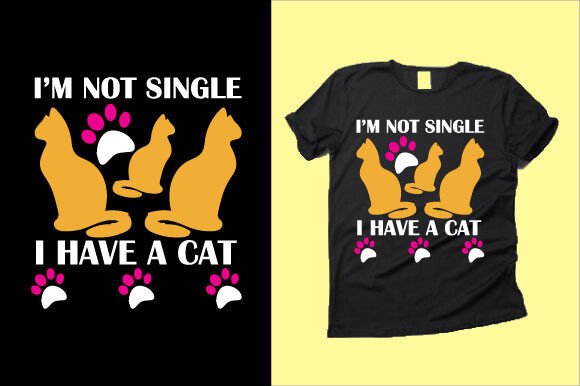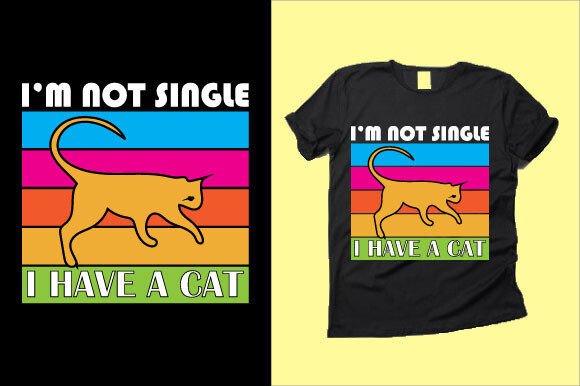
Cat T-shirt Design 68: A Designer's Real-World Review
I have spent years evaluating digital assets for physical production, and I know that a pretty image on a screen does not always translate to a high-quality finished product. When Cat T-shirt Design 68 landed in my inbox, I didn't just look at the preview; I immediately started thinking about the needle, the thread, and the fabric it would eventually touch. As an experienced designer reviewing this piece for real project use, I want to share my honest assessment of how this design performs in the hoop.
This is not a basic product description. This is a practical judgment call based on what happens when you move from a digital file to a stitched reality. Whether you are an Etsy seller looking for your next bestseller or a crafter making a personalized gift, understanding the nuances of Cat T-shirt Design 68 is crucial before you commit to a full production run.
The First Impression: Mood and Visual Personality
From the moment I opened the file, Cat T-shirt Design 68 exuded a specific kind of charm. It isn't just a generic silhouette; it has a distinct visual personality that suggests playfulness and warmth. The layout feels balanced, which is often the hardest part of a machine embroidery design to get right. Unlike some designs that feel cluttered or overly dense, this one breathes.
The shape creates an inviting mood that works exceptionally well for soft goods. It screams "handmade" rather than "factory-made." For a small business owner, this distinction is everything. Customers buy into the story behind the item, and the visual appeal of this design sets a tone of care and attention to detail. It feels like something that belongs on a cozy sweater or a child's nursery wall, instantly elevating the perceived value of the final piece.
Real-Life Application: From Screen to Stitch
To truly understand the potential of this asset, I ran a mental simulation using a common scenario. Imagine preparing a custom embroidered tote bag for a boutique client who specializes in cat lovers. You pull out your hooping frame, select a sturdy canvas, and load Cat T-shirt Design 68.
Here is where the design shines. The balance between different stitch types is critical. If the design relies too heavily on fill stitches, it can become stiff and heavy, ruining the drape of a tote bag. However, if executed correctly, the satin stitches likely provide crisp edges while the running stitches add texture without bulk. In this context, Cat T-shirt Design 68 transforms a simple canvas bag into a statement piece that customers will be proud to carry.
Consider another scenario: creating a holiday gift for a family with young children. Baby clothes require delicate handling. The design needs to be soft enough not to irritate skin but detailed enough to look professional. This design appears to have the right proportion for baby embroidery, provided the stabilizer choice is correct. It could also translate beautifully to a sweatshirt embroidery project, adding a touch of whimsy to a winter garment that stands out against fleece textures.
Where This Design Fits Best
- Custom Apparel: Perfect for t-shirts, hoodies, and denim jackets where the design can anchor the outfit.
- Home Decor: Ideal for pillow covers, kitchen towels, and aprons that need a focal point.
- Personalized Gifts: Excellent for baby items, caps, hats, and patches where branding or personalization is key.
- Commercial Embroidery: Suitable for small shop products and craft fair items that need to look polished.
Navigating the Challenges: Where to Be Careful
No design is perfect for every situation, and Cat T-shirt Design 68 is no exception. As a reviewer, my job is to highlight the pitfalls so you don't end up with a ruined product. There are specific scenarios where this design requires extra caution.
If you plan to use this on a curved surface like a cap or a hat, you must verify the hoop size compatibility. Curved surfaces distort flat designs, and intricate details can get lost or stretched. Similarly, if you are working with textured fabrics or thin materials, the density of the stitches might cause puckering. You will need to test the design on scrap fabric first to ensure the tension holds up.
Dark fabrics present another challenge. While many designers assume contrast is automatic, the thread colors chosen for Cat T-shirt Design 68 must be carefully selected to pop against dark backgrounds. Without proper underlay or a contrasting base layer, the design might look muddy. Also, avoid using this on stretchy fabrics unless you have a specialized stabilizer system, as the elasticity can distort the stitching over time.
Small hoop sizes are another limitation. If the design contains tiny lettering or very fine decorative accents, shrinking it down to fit a mini-hoop will result in a loss of clarity. The details might merge together, turning a sharp image into a blob. Always inspect small details before committing to a final run.
Impact on Value and Customer Trust
In the world of handmade products and digital product sellers, presentation is everything. A well-executed design builds customer trust and reinforces brand consistency. When a buyer receives a finished product featuring Cat T-shirt Design 68, they are judging the quality of your work based on the precision of the stitches.
If the design is clean, the edges are sharp, and the color contrast is high, the finished product looks professional. This directly affects buyer engagement and recognition. Conversely, if the design is poorly digitized or stitched incorrectly, it can damage your reputation. Using a design that has been vetted for its structural integrity helps ensure that your handmade product stands out in a crowded market like Etsy or local craft fairs.
Practical Notes for the Embroidery Designer
Before you start stitching, there are several technical steps you must take to guarantee success. These are not optional; they are essential for a professional outcome.
- Test on Scrap Fabric: Never go straight to the final product. Run a test on a similar fabric to check for puckering and tension issues.
- Check Thread Colors: Ensure the thread palette matches your vision. Test the design in black and white mockups to verify contrast levels.
- Review Stitch Density: Look closely at the fill areas. Too much density creates stiffness; too little leaves gaps. Adjust if necessary.
- Confirm Hoop Size: Make sure your machine's hoop can accommodate the design dimensions without cutting off any elements.
- Inspect Small Details: Zoom in on the file to see if any lines are too thin to stitch reliably.
- Use Proper Stabilizer: Match your stabilizer to the fabric weight. Heavyweight fabric needs heavyweight stabilizer, and vice versa.
- Verify Licensing: Before selling finished items or digital products, confirm the licensing terms. Some files are for personal use only, while others allow commercial embroidery projects.
By following these steps, you ensure that Cat T-shirt Design 68 delivers the high-quality results your clients expect. Remember, the difference between a good design and a great finished product often comes down to preparation and execution.
Final Thoughts on Cat T-shirt Design 68
Cat T-shirt Design 68 is a versatile and charming addition to any embroidery library. It strikes a balance between artistic flair and technical feasibility, making it suitable for a wide range of projects from baby clothes to boutique branding. However, like all design assets, it requires respect for the medium. Understand its limitations regarding fabric type, hoop size, and stitch density, and you will find it to be a reliable tool for your creative business.
Whether you are creating a custom apparel line or simply making a heartfelt gift, this design offers the potential to elevate your work. Just remember to test, adjust, and always prioritize the quality of the finished product. With careful planning, Cat T-shirt Design 68 can become a standout feature in your portfolio of handmade products.